
Barranquilla, Colombia, has been announced as a new host city on the Ironman 70.3 circuit, with the inaugural Ironman 70.3 Barranquilla scheduled for June 7, 2026. The event is being launched by Ironman in partnership with local organizer SBR Sports and marks a further expansion of the brand’s presence in Colombia.
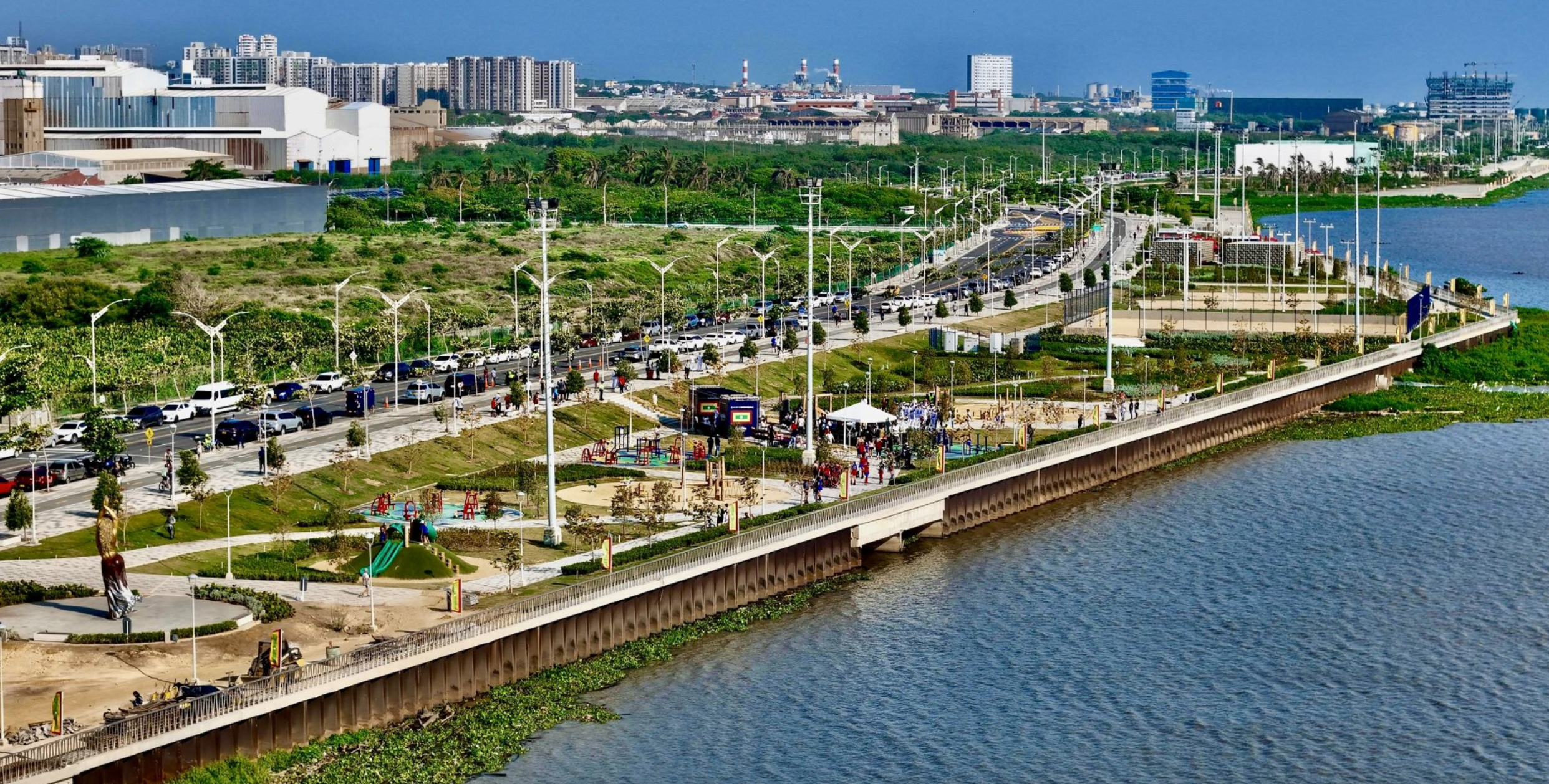
Located on Colombia’s Caribbean coast at the mouth of the Magdalena River, Barranquilla is the country’s fourth-largest city and a key port and cultural center. Often referred to as ‘La Puerta de Oro’ (The Golden Gate), the city is known internationally for the UNESCO-recognized Carnaval de Barranquilla, as well as recent urban developments such as the Gran Malecón del Río and Ventana al Mundo.
According to Ironman, the new event aligns with its strategy to grow endurance sports and sports tourism across Latin America. Joanna Jordan, Vice President and Managing Director of Latin America for The Ironman Group, highlighted Barranquilla’s infrastructure, climate, and cultural appeal as factors supporting its selection as a host city.
SBR Sports CEO Wilber Anderson described the race as a milestone for both the city and the region, emphasizing its potential impact on local sport development, tourism, and sustainability initiatives. He noted that the event is intended to contribute to community engagement while showcasing Colombia on the international triathlon stage.
Course Overview
The Ironman 70.3 Barranquilla course will begin with a 1.9-kilometer swim at Puerto Mocho beach. The 90-kilometer bike leg will take athletes along the Circunvalar de la Prosperidad, followed by a 21-kilometer run finishing at the Gran Malecón del Río.
The run course will pass several of Barranquilla’s landmarks, including the Shakira statue, the Sofía Vergara sculpture, Plaza de los Marinos, and the Shark Fin monument. Athletes will also run near Luna del Río, a recently opened 65-meter Ferris wheel that has become a new feature of the city’s skyline.
Local authorities have expressed support for the event, citing Barranquilla’s experience in hosting large-scale international competitions and its modern infrastructure as key strengths.