Zwift has rolled out a pair of notable upgrades aimed at sharpening race tactics and giving athletes a clearer picture of their long-term progress. Game version 1.104, which began a staged release from December 16, brings a new Draft Indicator to the in-game display alongside a fully redesigned post-ride Progress Report.
Clearer insight into drafting dynamics
The headline addition is a visual Draft Indicator that now appears along the bottom of the on-screen HUD. Rather than relying on the old “Close the Gap” message, riders receive instant graphical feedback showing how much aerodynamic benefit they are getting from the group.
As drafting improves, the bar fills further across the screen. Under normal conditions, a rider sitting perfectly in the wheels will see the indicator reach around 80 percent. The bar only fills completely when a rider is both fully drafted and using a Draft Boost PowerUp, making it easier to judge the optimal moment to conserve energy or launch an attack.
The feature is intended to support smarter positioning in races and fast group rides, but it won’t appear when drafting isn’t relevant – such as on TT bikes or when riding behind handcycles.
A new look at fitness and progression
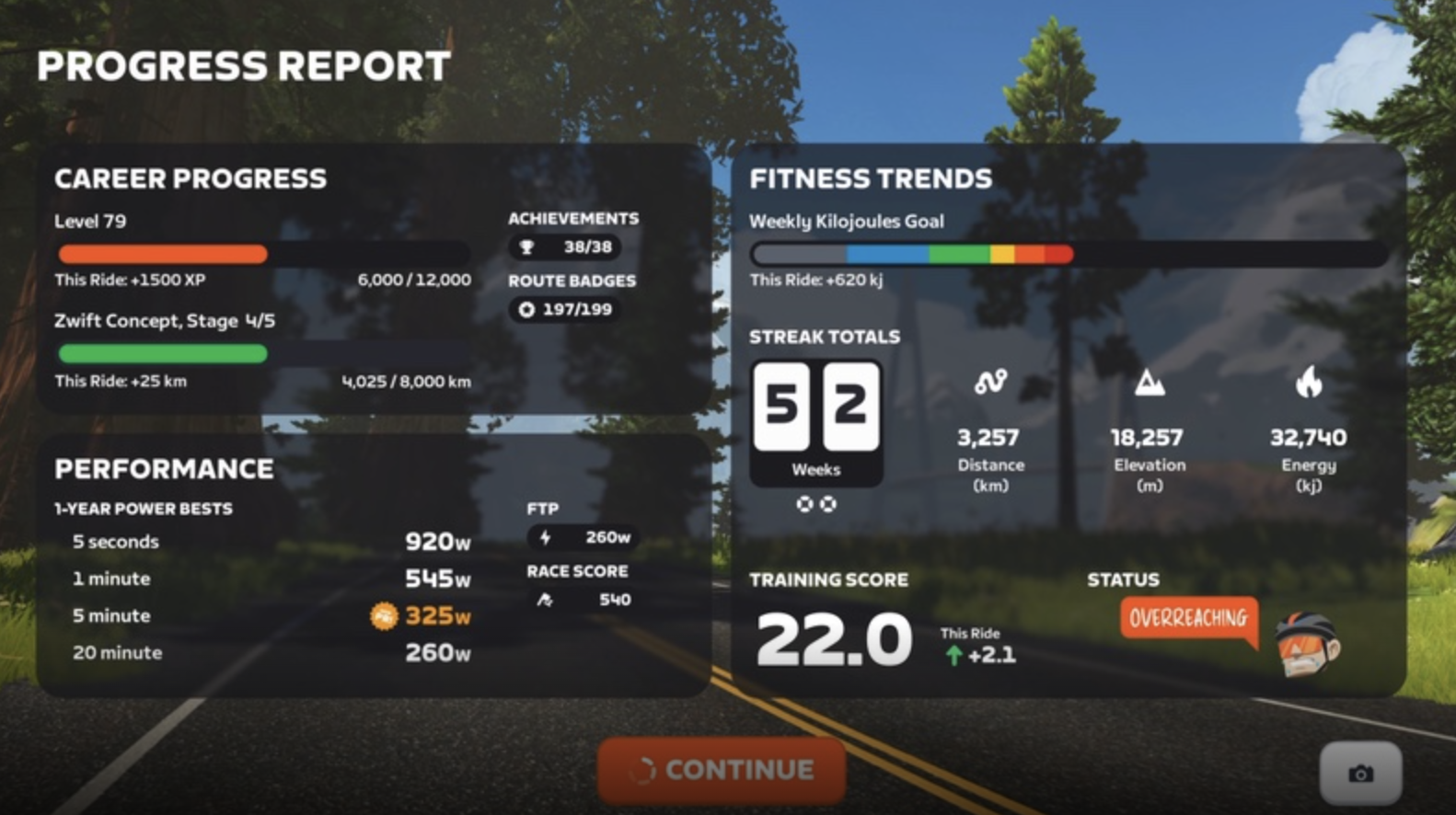
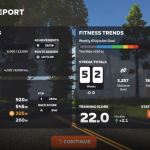
Also new is a revamped Progress Report that appears at the end of every activity, replacing the former Ride Streaks screen. This updated summary is designed to give athletes a clearer snapshot of both short-term fitness and long-term development on the platform.
Riders will now see a Training Status label – such as Productive, Fresh, or Overreaching – alongside a Training Score that reflects workout intensity, duration, and frequency. The screen also highlights one-year power bests over key durations (5 seconds, 1 minute, 5 minutes, and 20 minutes), as well as current FTP and Zwift Racing Score.
Progression beyond fitness is more visible too. The report tracks experience points toward the next level and shows progress on bike upgrades. Every bike frame in Zwift now features five upgrade stages, unlocked through riding milestones like distance, elevation, or time, offering performance gains or bonus rewards.
Additional tweaks and routes
Beyond the headline features, the update adds six new route badges for courses that were previously limited to events, and includes adjustments to the New York map’s escalators to create a fairer experience for riders of different body weights.
Together, the changes reflect Zwift’s continued push to make indoor racing more tactical while giving triathletes and cyclists clearer feedback on how their training is stacking up—both ride to ride and across the season.