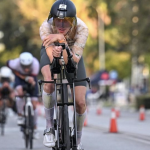
For a rule that has existed for more than a decade, it is remarkable how dominant the conversation around the 20-meter draft zone has become in recent weeks. Triathlon has always wrestled with the issue of drafting, but never before has a single regulatory adjustment generated this much debate, momentum, and apparent inevitability.
What makes the sudden attention even more curious is that the 20-meter draft zone is anything but new. As far back as 2014, Challenge Family already made the decision to move away from the traditional 12-meter drafting zone, opting instead for a distance that nearly doubled the space between athletes. The goal was clear: fairer racing at the professional level. In the years that followed, more Challenge races adopted the rule, and more recently the PTO embraced the 20-meter zone for its T100 events.
So why does it feel like this rule has only just entered the collective consciousness of the sport?
Part of the answer lies in governance and logistics. Adjusting the draft zone from 12 to 20 meters is not something an organiser can always decide unilaterally. National federations and local officials often need to approve such changes, and not all of them are eager to experiment with rules that deviate from long-standing norms. For Challenge Family, this has meant navigating different interpretations and, at times, difficult compromises.
For the PTO, the situation is simpler. Working closely with World Triathlon – the body that ultimately controls the sport’s regulations – means changes can be implemented more decisively. Ironman, too, has full autonomy: it operates with its own officials, its own rulebook, and complete flexibility. Which makes it all the more striking that Ironman waited so long to act.
That changed this week. First, Challenge Roth announced that it will adopt a 20-meter drafting zone starting with this year’s edition. Shortly afterwards, Ironman followed suit, confirming that from March 1, 2026, all professional Ironman and Ironman 70.3 races will use a 20-meter draft zone.
Athlete pressure has undoubtedly played a major role. Over the years, professional triathletes have repeatedly praised Challenge Family for its willingness to introduce a longer draft zone, and the calls for broader adoption only grew louder. In recent months, prominent names such as Sam Laidlow, Magnus Ditlev, and Frederic Funk have openly advocated for the 20-meter rule.
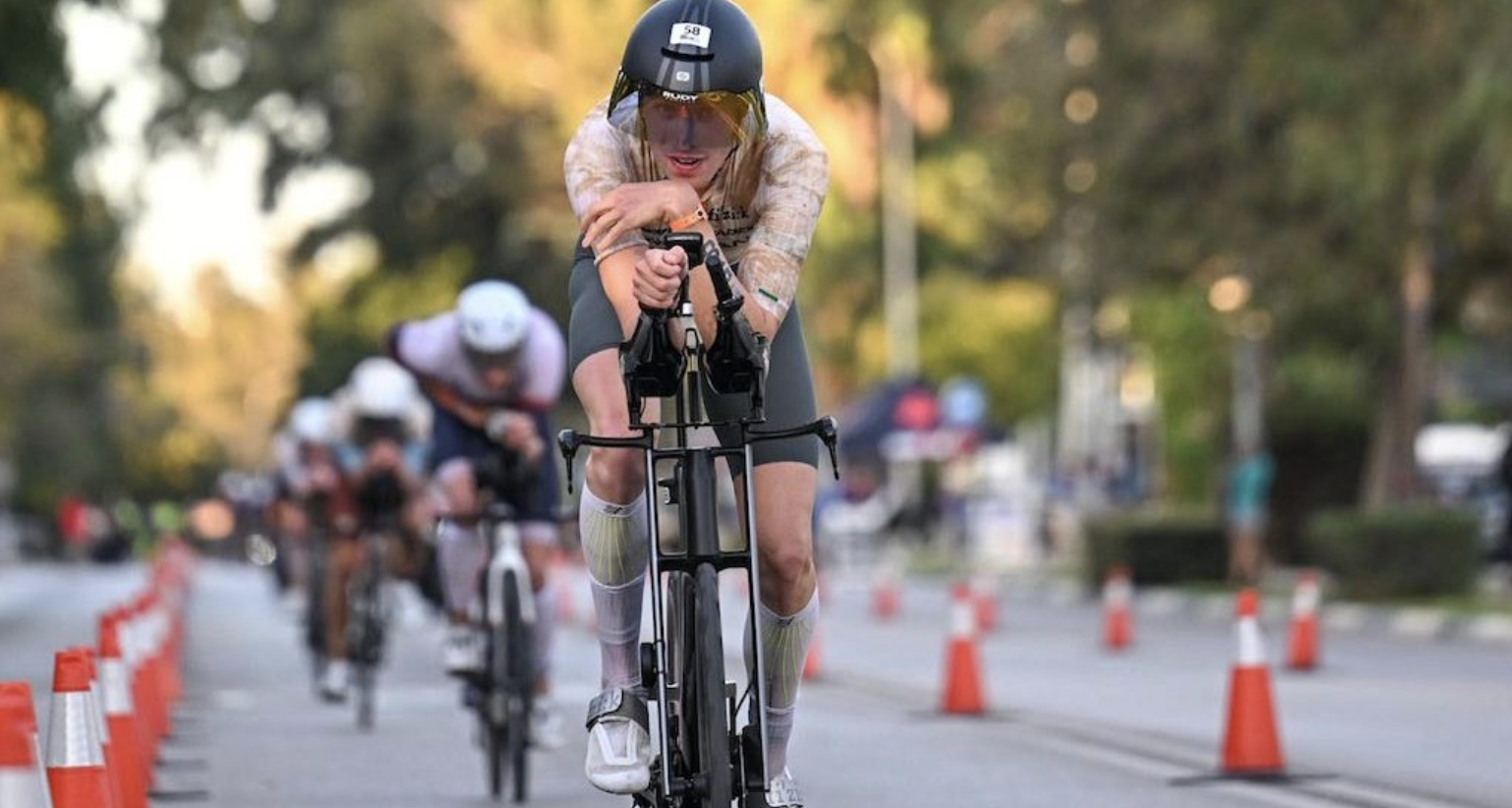
Not coincidentally, these voices often belong to the strongest bikers in the field. That, in itself, explains much of the momentum behind the change. A longer draft zone does not eliminate drafting entirely, but it significantly reduces its impact. It makes riding in a pack harder, positioning more costly, and time gaps more meaningful. In short: it rewards athletes who can truly ride hard on the bike, rather than merely survive within a group.
In an era where professional triathlon is increasingly scrutinised – by fans, broadcasters, and athletes alike – the push for clearer, fairer racing has become unavoidable. The 20-meter draft zone may not be a perfect solution, but it represents a tangible step toward a more honest bike leg. We only can thank Challenge Family for that.