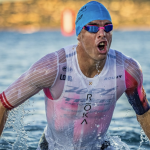
Sam Long’s career has been anything but linear – and that’s exactly why he’s becoming one of the most compelling athletes in the sport. Instead of hiding from setbacks, Long has leaned into them, adopting a mindset strikingly similar to the mental-conditioning methods used in Navy SEAL training.
In SEAL programs, instructors routinely engineer scenarios where even top-performing candidates are destined to fail. The goal isn’t to break them, but to teach them that failure is survivable – and ultimately transformative. Trainees learn that setbacks are temporary states, not defining moments. With each controlled failure and recovery, their nervous systems adapt, building resilience that allows them to perform under extreme pressure.
Long’s approach mirrors this philosophy. Whether it’s a disappointing race, a tactical misstep, or public scrutiny, he has repeatedly shown a willingness to confront failure head-on and turn it into forward momentum. Instead of letting a bad day shape his identity, he treats it as data – a starting point for the next breakthrough.
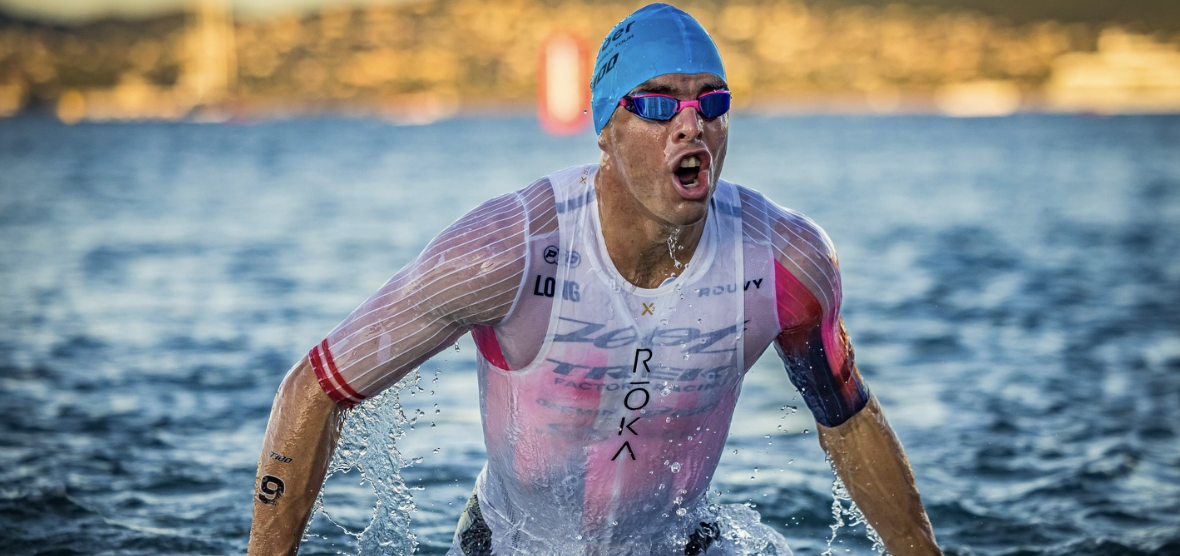
That Sam Long is not the strongest swimmer in the professional field is obvious: the American consistently exits the water with several minutes to make up and then has to chase on the bike and during the run. Still, Long continues to search for ways to improve, and now he’s even drawing inspiration from Navy SEAL training – an elite special operations unit within the U.S. Navy. Long is particularly focused on mental toughness and the idea that failure is only temporary. He also highlights several Navy SEAL training techniques, which he cites as sources of inspiration:
1. Instructors deliberately engineer failure scenarios where even the most prepared candidates cannot succeed, forcing them to experience defeat under controlled conditions.
2. This is seen as a strategic inoculation against psychological collapse, which happens when people who have never failed before encounter their first real problems.
3. Candidates learn that failure isn’t a terminal event but a recoverable state, building psychological resilience.
4. When people experience controlled failure and recovery repeatedly, their nervous systems learn that setbacks are temporary obstacles rather than identity-destroying catastrophes.
5. SEALs who complete the failure-inclusive training maintain operational effectiveness under extreme stress, as they are more likely to be able to treat failure as ordinary and have built up a resilience against total collapse.