

The controversial Enhanced Games have fueled debate for years, but the sporting world is now bracing for the first official edition of the event, where athletes – under medical supervision – are explicitly permitted to use performance-enhancing drugs in pursuit of world records.
Set to debut this May in Las Vegas, the Games will initially feature just three sports: sprinting, swimming, and weightlifting. With a total prize purse of $25 million and appearance fees reportedly reaching as high as $1 million, the event has captured global attention. Critics, however, argue that the concept fundamentally undermines the integrity of sport.
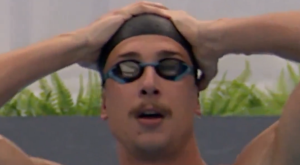
The controversy intensified in May 2025 when Greek swimmer Kristian Golomeev swam what was promoted as the fastest 50m freestyle ever recorded under the Enhanced Games model, earning a $1 million bonus. Athletes participating in the project reportedly undergo three months of supervised performance-enhancement protocols in the United Arab Emirates, using substances said to be cleared under U.S. regulatory frameworks.
Now, CEO Max Martin – one of the driving forces behind the Enhanced Games – has openly floated the idea of expanding into Long Distance triathlon. In an interview with the British broadcaster BBC, Martin questioned what enhanced athletes might be capable of over Long Distance races.
The suggestion raises immediate questions. Unlike track and swimming, triathlon does not operate around singular, standardized world records. Courses vary, conditions differ, and performances are rarely comparable across venues. What would an “enhanced” benchmark even represent in such a sport?