
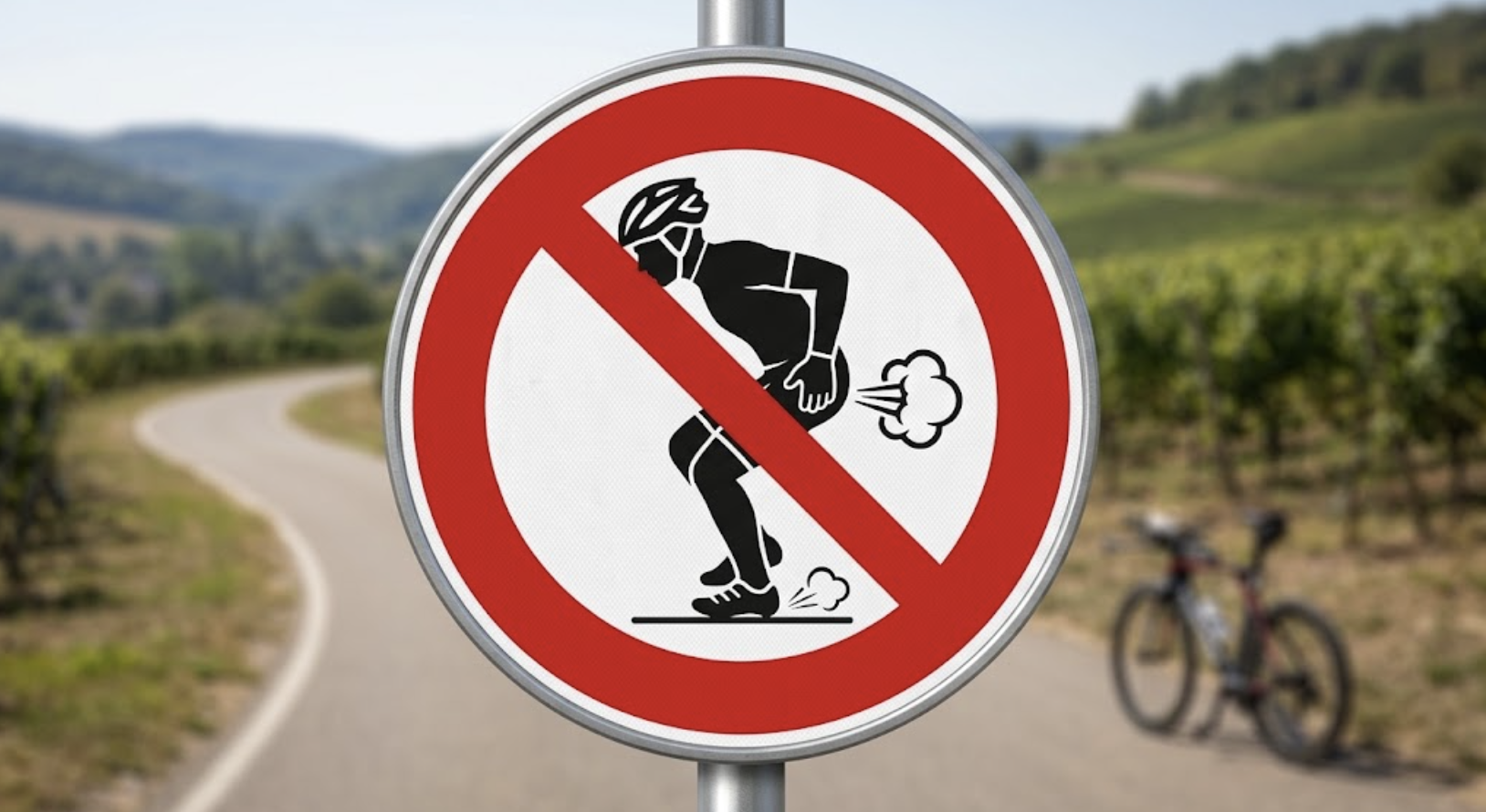
A fart, passing gas: there are plenty of names for the air that escapes from our guts now and then. After a workout, it tends to happen more frequently than usual to the average person – but why is that?
In short, it comes down to a vital biological survival mechanism. During long or intense exertion, gas builds up in the body right away, while the release is delayed. While you train, your body does everything it can to direct oxygen-rich blood to your muscles, heart, and lungs. That’s great for performance, but it comes at the expense of organs that are less of a priority in the moment, including your intestines.
As a result, digestion largely comes to a standstill, causing any food remaining in your system to ferment. It’s a natural process with a logical consequence: gas production. Once your body settles down after a workout, you pay the price. As blood flows back to your organs, your digestive system kicks back into gear – and not very gradually. The accumulated gas has to get out, fast.
Additional causes include swallowing air during heavy exertion and the sports nutrition or drinks athletes consume. When you gasp for air during a tough workout, it doesn’t always travel smoothly to your lungs; oxygen often gets swallowed unintentionally instead. Rather than reaching your lungs, this air ends up in your gastrointestinal tract, where there’s only one way out. Combine that with sports nutrition that isn’t easily digested, and you have the perfect storm.