
Every once in a while, a craze comes along that catches on as if it’s always been there. Squadrats is one such craze that is particularly popular among endurance athletes in general – and certainly among triathletes. Thanks to Squadrats, ‘collecting squares’ has gained a character all of its own. But what does collecting squares actually involve?
First of all: the concept of Squadrats is not entirely new – with other popular programs like Wandrer, for example, where you ‘collect’ streets and cities – but the app has been performing particularly well lately. In Squadrats, you collect so-called tiles: squares of about 1.5 kilometers by 1.5 kilometers that you have passed through in the real world while biking, running, or walking. You collect these squares automatically when you upload an activity to Strava, provided you have linked your Strava to the Squadrats app.
For the collection junkies among us, it’s great that you can also link your Strava to Squadrats retroactively: the app does need some time for this – in the case of the author, several hours even – but then you immediately have all the tiles from your Strava activities published in recent years. And then the real collecting can begin.
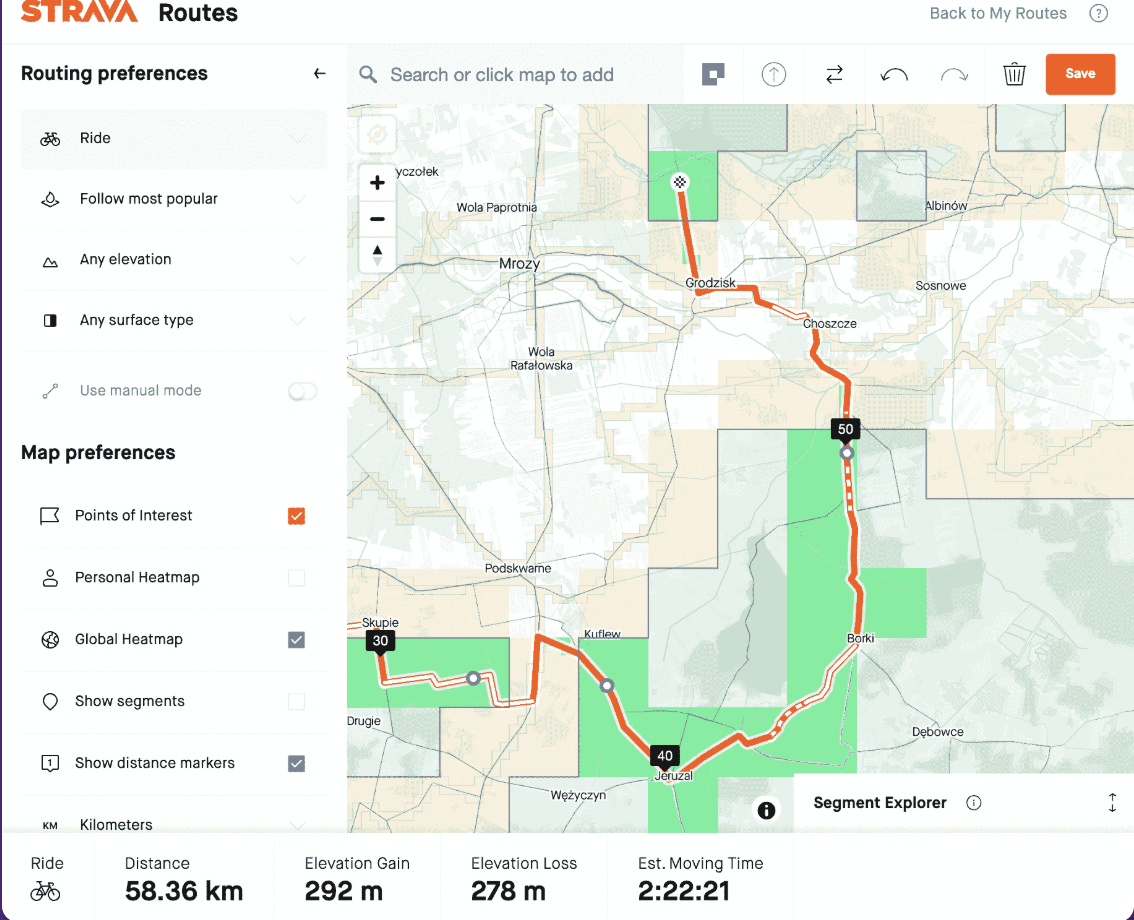
On the Squadrats map – easily accessible via the free app – you can see exactly which tiles you have grabbed and where. Naturally, the epicenter of these collected tiles is around your place of residence; after all, that is most likely where you train the most. The further you get from your home, the fewer tiles have been collected and the more you can tick off. Occasionally planning your training routes cleverly can yield some extra tiles; something that encourages you to step off the beaten track and explore areas where you haven’t trained before. Going on holiday to a new location and then going for a bike ride or run logically yields a whole series of new Squadrats.
A tile is therefore a Squadrat: a square of approximately 1.5 by 1.5 kilometers. A Squadrat is further subdivided into 64 ‘Squadratinhos’, which you can therefore collect much faster. The so-called ‘Yards’ and ‘Übersquadrats’, which are both a collection of multiple linked Squadrats, take longer. Meanwhile, you will find various rankings in the app, where you can see how your number of collected Squadrats compares to those of other users.
The Squadrats app can be downloaded for free via the Apple Store and Google Play Store, among others.